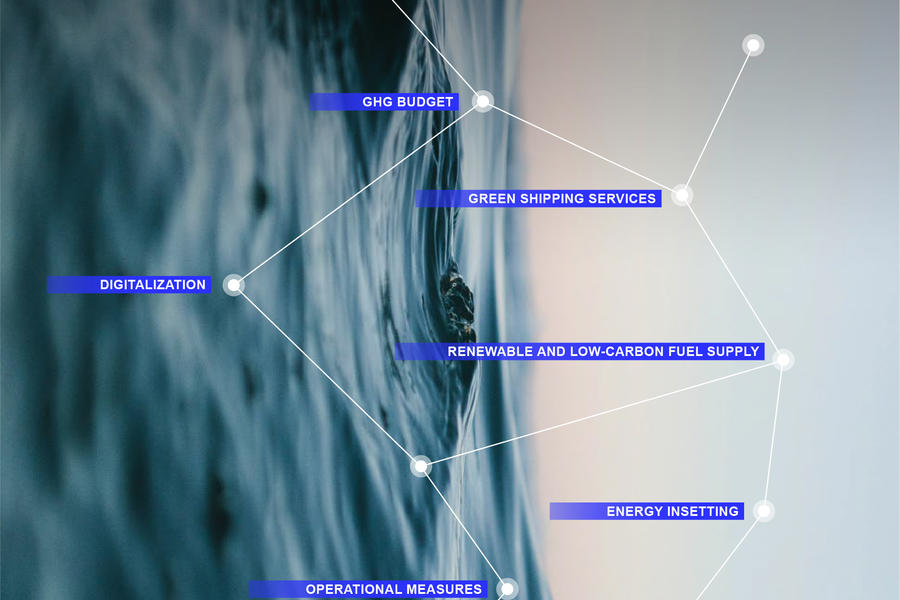
Shipping Decarbonization Regulations
For marine and offshore shipowners and operators, the regulatory environment can be as challenging as a battering sea. Yet one thing is clear, shipping regulations are becoming increasingly focused on decarbonization.
Maritime shipping is responsible for 3% of all global greenhouse gas (GHG) emissions and without change, that number will rise as the global economy continues to grow. This has pushed the maritime sector’s regulating bodies to act. The European Union (EU) and the International Maritime Organization (IMO) have put in place rules and regulations to cut carbon emissions.

Responsible Sustainability Strategy / Sustainability Strategy Leader
Bureau Veritas Marine & Offshore
“As new shipping regulations come into play, shipowners and operators have a timely opportunity to adopt low- or zero-carbon technologies and advance toward environmental targets with confidence.”
Bureau Veritas helps clients navigate regulations
At Bureau Veritas, we know that every decarbonization journey is different.
Our team of experts stays on top of all the latest regulations and standards to help you navigate the ever-evolving maritime industry.
EU shipping regulations
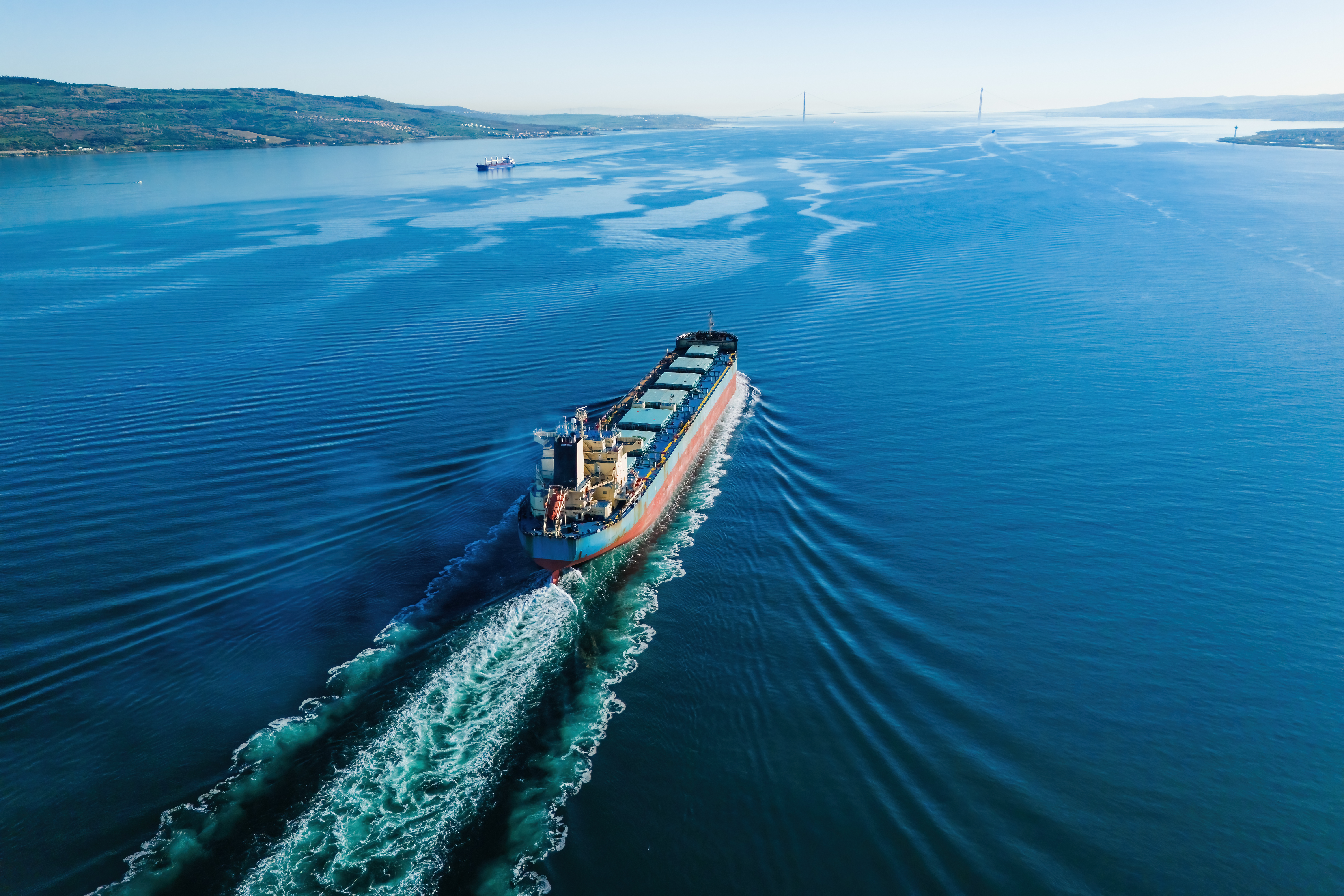 | The European Union is aiming to cut net greenhouse gas emissions by 55% by 2030 through a series of ambitious regulations and revisions to existing frameworks, tools and market mechanisms. |
EU Emissions Trading System (ETS)
The EU ETS applies a carbon price to emissions that must be monitored, reported and validated for all large ships (5000+ gross tonnage) that enter EU ports.
FuelEU Maritime
FuelEU Maritime promotes the use of low-carbon fuels in shipping, setting the yearly average GHG intensity of energy used on large ships (5000+ gross tonnage).
Alternative Fuels Infrastructure Regulation (AFIR)
AFIR aims to ensure the availability of alternative fuels infrastructure to support their uptake.
Renewable Energy Directive (Red III)
Red III sets targets for the EU’s use of renewable energy, including fuels, and now includes maritime in its transport sector.
Energy Taxation Directive (ETD)
A proposal to revise the ETD aims to align the taxation of energy products with the EU’s climate objectives. It includes the removal of exemptions for the use of fossil fuels for intra-EU maritime transport.
IMO mid-term measures
 | International shipping, through the International Maritime Organization (IMO) and its Member States, has set a target of achieving net-zero greenhouse gas (GHG) emissions by around 2050, as outlined in the IMO Strategy on Reduction of GHG Emissions from Ships. |
To support this ambition, the Strategy establishes indicative interim checkpoints to reduce total GHG emissions from international shipping by 20% to 30% by 2030 and by 70% to 80% by 2040, compared with 2008 levels. It also calls for the uptake of zero- and near-zero-emission fuels, energy sources and technologies to reach at least 5%, striving for 10%, by 2030, while reducing the carbon intensity of shipping.
The IMO and its Member States are now developing the regulatory framework required to implement these objectives through the so-called Mid-Term Measures. A key upcoming milestone will be MEPC 85 in November 2026, where further details of the framework are expected to be shared.
IMO Short Term Measures
 | Reducing the maritime industry’s carbon footprint is a priority for local, national and international organizations. To meet current and upcoming regulatory requirements, shipowners and operators must meet specific limits for energy consumption and carbon emissions. |
The Energy Efficiency Design Index (EEDI)
The EEDI sets minimum energy efficiency baseline per ton-mile and is calculated based on the vessel’s technical design parameters.
The Energy Efficiency Existing Ship Index (EEXI)
The IMO’s EEXI regulation requires shipowners to calculate and measure the energy efficiency of in-service vessels of 400 GT and above. The EEXI is based on EEDI guidelines and is calculated in accordance with MARPOL Annex VI, using standard fuel consumption values.
The Carbon Intensity Indicator (CII)
The CII applies to in-service ships of over 5,000 GT and requires operators to report on carbon emissions. It is calculated as total CO2 emitted divided by total transport work per year, helping ship managers assess a vessel’s carbon intensity.
The Ship Energy Efficiency Management Plan Part III (SEEMP Part III)
SEEMP is a three-part requirement under the IMO's energy efficiency measures. It requires shipowners and shipping companies to develop an operational carbon-intensity plan and have it verified by the ship’s administration.
UK Emissions Trading System (UK ETS)
 | The UK Emissions Trading System sets a cap on emissions from key sectors - maritime, aviation, power, and heavy industry - and prices carbon to incentivize decarbonization. Affected companies must surrender allowances equal to their verified emissions. The UK ETS aims to deliver a cost-effective path to net zero across the sectors it covers. |
Bureau Veritas is an expert in decarbonization
Bureau Veritas is at the forefront of the energy transition. By working with shipowners, shipyards, equipment providers and manufacturers, we support clean energy solutions for the maritime industry. We support industry players in meeting safety, technical and regulatory challenges for low-carbon fuels, zero-carbon fuels, and alternative propulsion for both newbuilds and in-service vessels.
Latest maritime industry news and updates
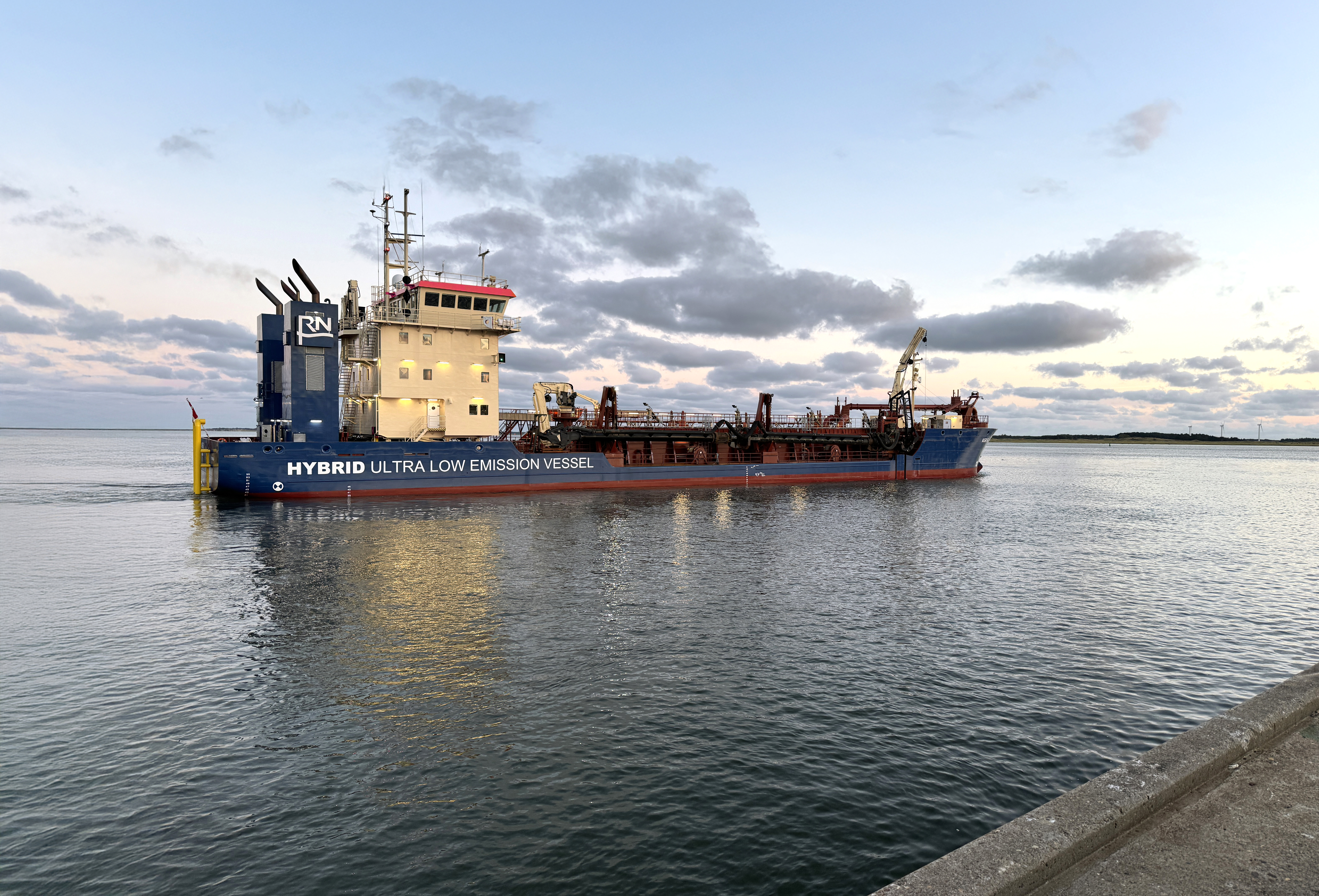 | The maritime regulatory landscape is evolving faster than ever, driven by digitalization, technological progress and the global push toward decarbonization.
|


