Video file

Our history

1828

Image

1828 - #ORIGINS IN SHIPPING

Bureau Veritas began in the early 19th century as the Bureau de Renseignements pour les Assurances Maritimes, a maritime assurance company in Antwerp, Belgium. The company had a simple objective:
make shipping safer by providing up-to-date ship tracking information to underwriters. This required creating a new methodology to assess risks to ships and equipment.
Image

Today - A LEADER IN MARINE & OFFSHORE

Bureau Veritas Group has now diversified beyond the maritime sector. We provide leading testing, inspection and certification services to most industries. Still, maritime safety remains central to our business. We are one of the world's leading maritime classification societies and offshore risk and verification bodies.

1832

Image

1832 - EARLY CLASSIFICATION

The first Bureau Veritas ship register was published in Antwerp in 1829, before the company's move to Paris in 1833. A notable vessel classed by Bureau Veritas during this period was the paddle steamer "Neptune", built by Augustin Normand.
Image

TODAY - THE CLASSIFICATION SOCIETY OF CHOICE

More than 12,40 ships worldwide sail under the Bureau Veritas class and we are the leading classification society for number of ships classified. We hold prominent positions in segments where innovation is the norm, such as tugs, LNG carriers, cruise ships and LNG-fueled vessels. Since 2017, we have classed seven megaships for MSC Cruises including the MSC World Europa, the first LNG-fueled ship in MSC Cruise's World Class series.

1886

Image

1886 - THE FIRST MODERN OIL TANKER

Oil transportation technology has evolved with the oil industry. The first oil well in the United States was dug in 1859 and in the following decades, shipyards competed to produce an effective tanker design. Bureau Veritas classed the "Glückauf", the first dedicated steam-driven oceangoing tanker in the world. This ship was the first to pump oil directly into the hull instead of being loaded in barrels or drums.
Image

TODAY - EXPERTISE IN FPSOS

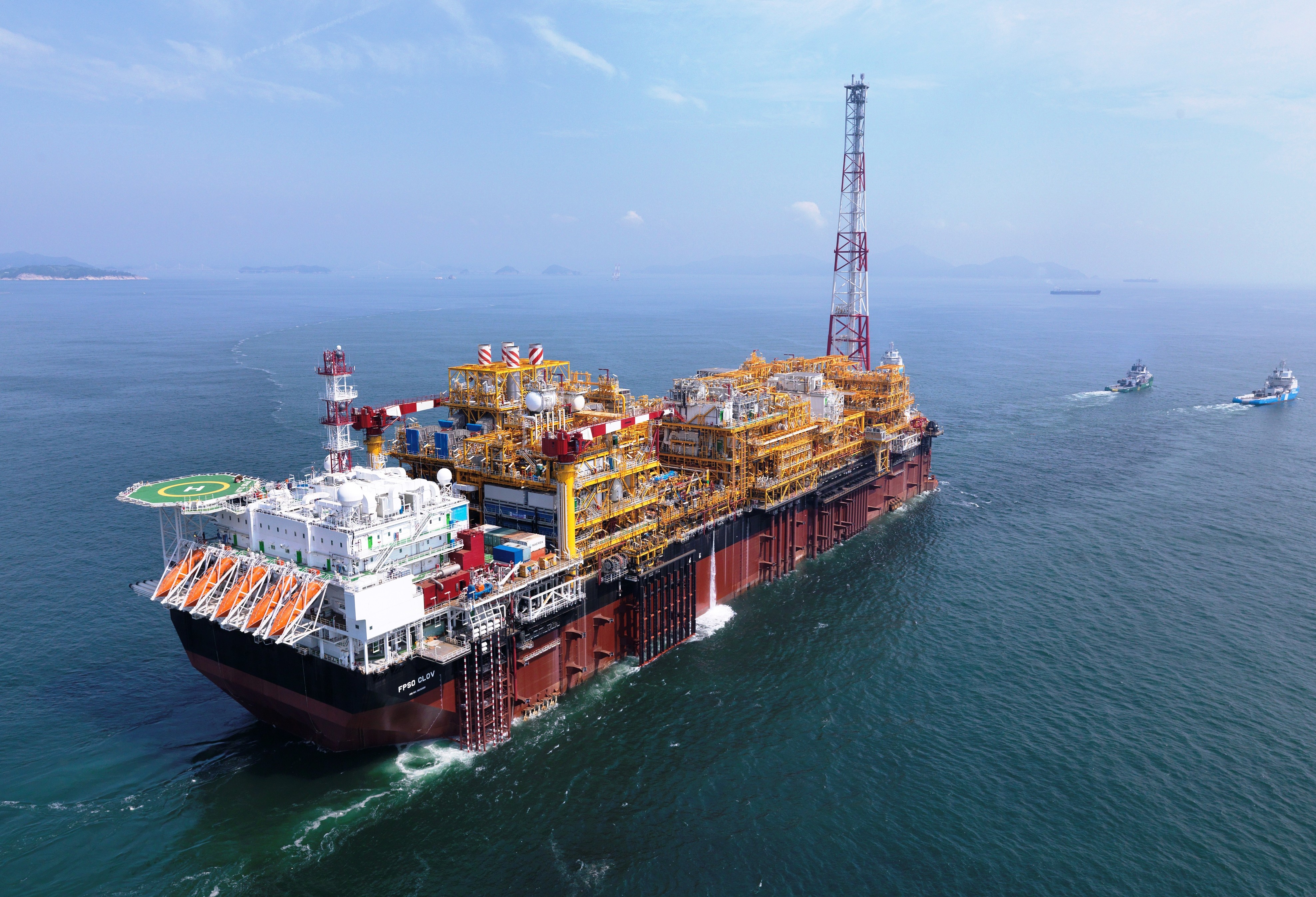
Over the past 130 years, Bureau Veritas has played a role in every innovation in tankers. In the 1970s, we classed the first asphalt carrier. We developed advanced tools and strength calculations to accommodate ever-larger tankers and notations to keep vessels safe and compliant in Arctic waters. Today, we offer leading expertise in supporting the construction of Floating Production Storage and Offloading ships (FPSOs). We are also assisting the conversion of Very Large Crude Carriers (VLCCs) and smaller tankers to floaters. Our Veristar AIM3 digital twin model enables us to track the condition of these offshore assets throughout their life.

1889

Image

1899 - THE WORLD'S FIRST ICEBREAKER

At the turn of the 20th century, Bureau Veritas classed the world's first polar icebreaker, the Yermack. The ship was built in Newcastle-upon-Tyne for the Imperial Russian Navy. It remained in service until 1964.
Image

TODAY - ADVANCED POLAR EXPERTISE

Today, as Arctic Sea routes open up, Bureau Veritas offers a range of notations for merchant and passenger ships plying icy waters. We classed the Ponant icebreaker, the world's first LNG-powered hybrid-electric passenger vessel to navigate in polar waters. Thanks to our Icebreaker 3 fore and Icebreaker 4 aft service notations, the vessel can safely move back and forth in the ice.

1910

Image

1910 - SERVICES EXPANDED TO INCLUDE MATERIALS

Ship and equipment safety starts with construction materials. In 1910, Bureau Veritas set up a service for the control of materials. In 1913, we published type specifications for receiving materials not destined for naval construction.
Image

TODAY - DIGITAL SUPPLY CHAIN CONTROL

Control of material quality and supply chain assurance represent a key risk management pillar for shipowners. Approval of materials is also an important function of classification. Bureau Veritas offers a range of digital tools to help owners select suppliers. We also perform supplier verification for external e-commerce platforms.

1962

Image

1962 - A PIONEER IN LNG TRANSPORTATION

Bureau Veritas was involved from the start of the LNG industry. We classed the "Beauvais", which was the first oceangoing ship for transport of liquefied natural gas. From 1965 to 1971, we built a strong reputation for classing LNG carriers with the "Jules Verne" and the "Descartes". We also classed the "Ben Franklin", the first membrane LNG carrier with a capacity of 120,000m3.
Image

TODAY - INNOVATION IN LNG CARRIERS

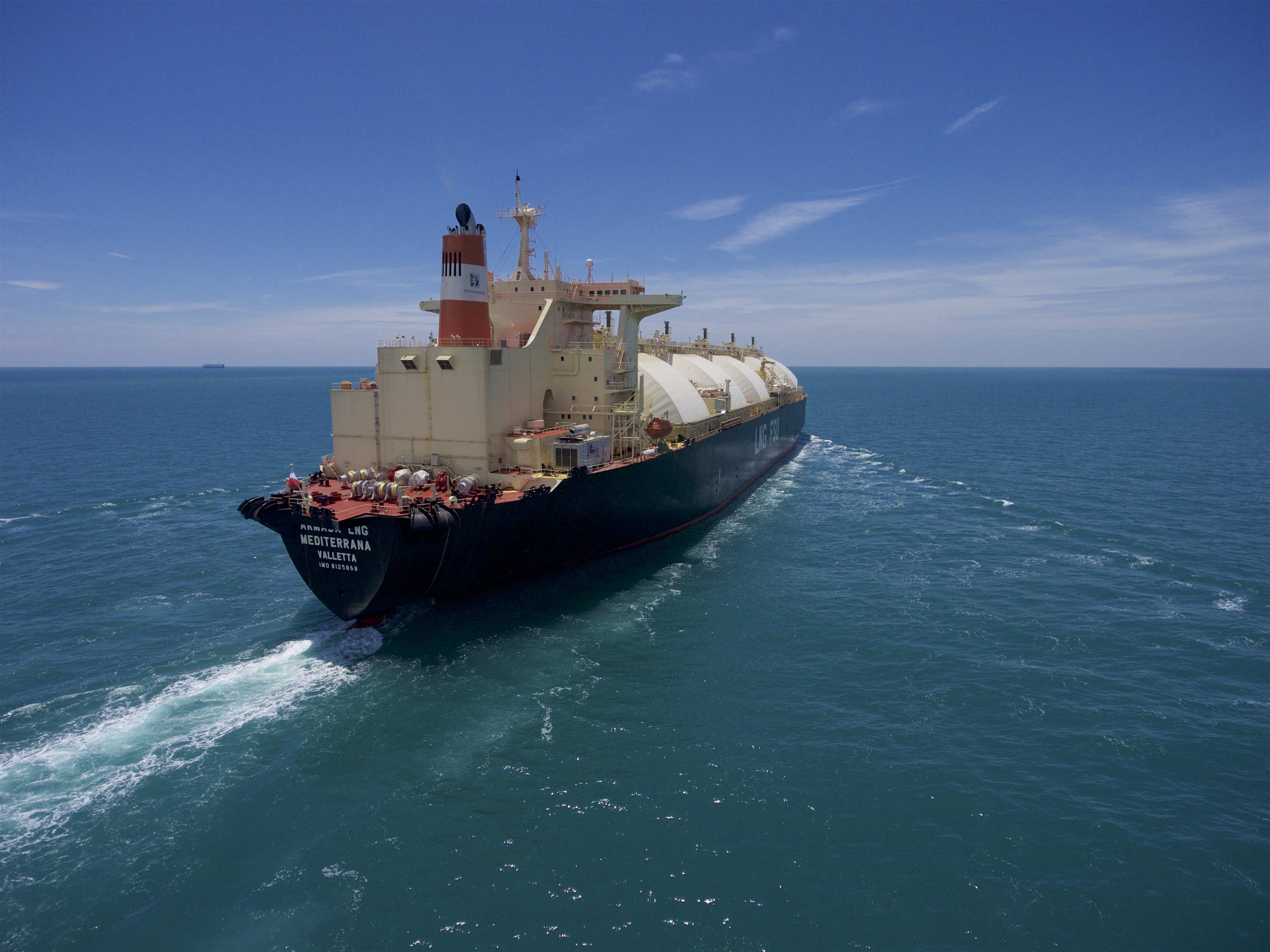
Today's large-scale LNG projects require new solutions to transport gas from production sites to customers around the world. We are the classification society for Pacific Breeze, the carrier transporting LNG from the Ichthys LNG giga-project off the coast of Australia. The vessel is the world's largest Moss-type LNG carrier, with a cargo tank capacity of 182,000m3.

2005

Image

2005 - THE WORLD'S FIRST FSRU

As demand for natural gas grew, Bureau Veritas supported the introduction of floating gas terminals. We classed "Excelsior", the first Floating Storage and Regasification Unit (FSRU), for Excelerate Energy in 2005. We supported LNG production by providing technical assistance for the Shell Prelude, the world's first Floating Natural Liquefied Gas (FLNG) platform, launched in 2013. We also classed the first-ever constructed FLNG delivered to Exmar in 2015.
Image

TODAY - LEADING CLASS FOR FSRUS, #1 FOR BUNKERING

Bureau Veritas plays a key role in global LNG supply chains, thanks to our dedicated Rules and expertise gained in flagship projects. These include the MOL FSRU Challenger, the largest FSRU to date at 263,000m3. We also classed the world’s first LNG bunkering vessel, the ENGIE Zeebrugge.